
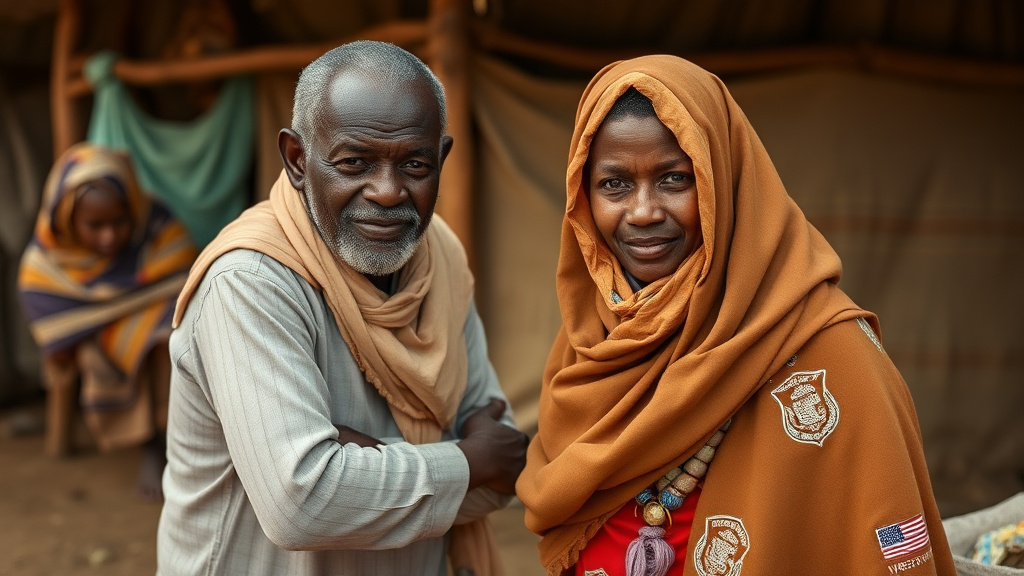
Extreme hardship continues to be one of the world’s most pressing challenges, affecting billions in low-income countries where basic necessities like food, clean water, and education remain out of reach. In response, humanitarian organizations are stepping up their efforts, deploying creative solutions and directing substantial funding to break the cycle of poverty. This article explores how these dedicated groups are working together internationally, leveraging technology and community partnerships to create lasting change and enhance living conditions in the poorest areas globally.
Global Response to Poverty Emergency
The escalating poverty crisis in emerging economies has prompted an remarkable mobilization of relief efforts on a international level. Global bodies, NGOs, and public sector organizations are working together to tackle underlying factors of poverty, recognizing that lasting change require collaborative action. These entities are consolidating financial support, expertise, and personnel to launch broad initiatives targeting education, healthcare, and economic development. The unified approach demonstrates a dedication to improving lives and creating strong societies capable of self-reliance.
Modern development projects employ advanced tools and data-driven strategies to improve outcomes and resource optimization in anti-poverty programs. Organizations are utilizing technology-based tools for supply management, mobile banking solutions for financial inclusion, and remote sensing technology for strategic support in isolated regions. By integrating conventional grassroots strategies with modern technology, these groups are serving previously underserved populations more successfully. This holistic strategy confirms that assistance gets to those most in need while promoting sustained financial independence and sustainable development in at-risk areas.
Key Initiatives and Programs
Humanitarian organizations are establishing multi-faceted strategies created to address poverty’s root causes in emerging economies. These programs prioritize education, health services, and economic advancement, recognizing that long-term poverty alleviation necessitates diverse strategies. Organizations like the UN Development Programme and World Vision have set up microfinance schemes, vocational training centers, and community health clinics. By merging direct aid with long-term capacity building, these efforts enable people to reach self-reliance while building robust regional markets that can withstand upcoming difficulties.
Technology serves a critical role in these anti-poverty initiatives, helping institutions to access isolated communities efficiently. Mobile banking platforms, digital skills training, and evidence-based fund distribution have transformed the way humanitarian aid is distributed. Partnerships between NGOs, governments, and commercial enterprises strengthen results through combined knowledge and financial support. These collaborative initiatives produce multiplier effects that maximize every dollar spent, guaranteeing aid reaches those facing greatest hardship while fostering innovation in poverty solutions across Africa, Asia, and Latin America.
Challenges and Outlook Ahead
Despite substantial progress, humanitarian organizations encounter significant obstacles in their efforts to reduce poverty. Limited funding remains a critical constraint, as waning donor support and conflicting global crises redirect resources away from sustained development initiatives. Additionally, political turmoil, graft, and inadequate infrastructure in many emerging economies complicate program implementation and long-term viability. Climate change exacerbates these issues, creating new humanitarian emergencies that strain already overburdened organizational capacities and budgets.
The future outlook of poverty alleviation depends on strengthening partnerships between government bodies, business enterprises, and nonprofit groups. Improved data gathering and impact measurement will allow better-focused programs and efficient resource allocation. Expanding successful approaches across areas requires greater funding in community skill development and community leadership development. Digital implementation, particularly mobile banking and digital platforms, offers promising avenues for reaching underserved populations and providing support more effectively and affordably.
Moving ahead, humanitarian organizations must adopt flexible operational approaches to navigate complex, rapidly changing environments. Increased focus on prevention rather than reaction could reduce sustained expenses and hardship. Mobilizing innovative financing mechanisms, such as social impact investments and mission-driven businesses, will complement traditional aid. In the end, sustainable poverty reduction demands ongoing governmental support, adequate funding, and collaborative action from every party committed to creating fairer, more thriving communities for vulnerable populations worldwide.
