
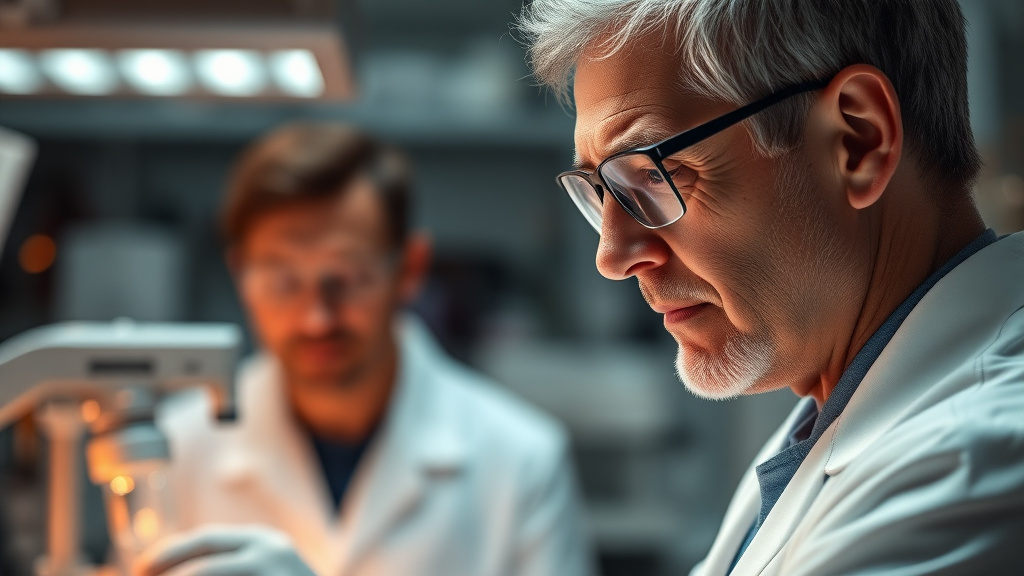
In a revolutionary discovery that could transform medicine and extend human lifespan, scientists have revealed a promising new method to slow aging at the cellular level. Researchers have discovered a technique capable of rejuvenating aging human cell tissue, potentially unlocking the secrets to prolonging youth and addressing age-related diseases. This article examines the novel breakthrough, examining how scientists attained this significant feat, the mechanisms behind the process, and what this development means for the future of anti-aging medicine and human longevity.
Major Advance in Cell Renewal
Scientists have proven a revolutionary technique that reverses aging markers in human cells, marking a significant milestone in cellular regeneration. This landmark finding involves restoring cellular youth to regain youthful function and performance. The scientific team employed cutting-edge molecular and genetic methods to pinpoint and regulate key cellular processes underlying aging. Their evidence demonstrates that aging cannot be reversed indefinitely, unlocking potential for treating degenerative diseases and prolonging healthy lifespan.
The significance of this advancement extend far beyond lab-based testing, as the technique shows promise for clinical implementation in practice. Researchers observed that cells that received treatment demonstrated renewed mitochondrial performance, improved DNA repair processes, and enhanced energy output in cells. These rejuvenated cells exhibited markers commonly linked to tissue that is younger and healthier. The success of this strategy provides compelling evidence that aging processes can be treated through therapy, potentially revolutionizing how medical professionals treat age-related diseases and offering new hope for people experiencing age-related diseases.
How the Latest Technique Works
The groundbreaking technique centers on modifying cellular genetic material through precise genetic engineering and molecular signaling. Scientists use specialized proteins called Yamanaka factors to reverse the aging process within cells, effectively restoring them to a more youthful state. This process requires precisely regulating gene expression patterns that build up deterioration over many years. By awakening inactive regenerative pathways, researchers can successfully undo the cell-level deterioration linked to aging while maintaining the cell’s inherent function and characteristics.
The technique employs cutting-edge CRISPR gene-editing systems combined with epigenetic alterations to achieve impressive findings. Researchers pinpointed specific molecular markers that distinguish youthful cells from older cells, then created a procedure to reverse the markers without triggering cell dysfunction. The technique works by regulating histone modifications and DNA methylation patterns, the chemical tags that determine which genes are active or inactive. This precision approach demonstrates that aging is not irreversible, presenting unprecedented potential for therapeutic applications in regenerative medicine.
Implications and Future Applications
The significance of this cell renewal breakthrough transcend basic research, promising transformative applications in regenerative medicine and clinical therapies. If successfully translated to clinical practice, this method could transform the way physicians manage aging-related conditions such as Alzheimer’s, Parkinson’s, and cardiovascular conditions. The potential to reverse cellular aging opens unprecedented opportunities for developing preventive treatments that target underlying causes of aging rather than just controlling symptoms, fundamentally reshaping our approach to medical care and prevention strategies.
Future applications of this technology span diverse healthcare sectors, from cosmetic dermatology to transplant procedures and regenerative medicine. Researchers project utilizing this cellular reversal technique to repair compromised tissues, return organs to normal function, and potentially extend healthy human lifespan. The method could enable the creation of personalized anti-aging therapies designed for unique genetic makeup, optimizing effectiveness while reducing adverse effects. Additionally, this breakthrough may facilitate the creation of younger, more viable donor tissues for transplant procedures, significantly improving transplant success rates and clinical results worldwide.
While substantial clinical trials and regulatory approvals remain necessary before large-scale rollout, the research community remains optimistic about this technology’s potential. Continued research funding and interdisciplinary collaboration will speed up the movement from laboratory discoveries to practical medical applications. As scientists improve these methods and tackle outstanding obstacles, society must at the same time engage in moral conversations regarding equitable access and appropriate use. This discovery constitutes a turning point in medical science, poised to transform longevity medicine and profoundly change human health outcomes for future generations.
