
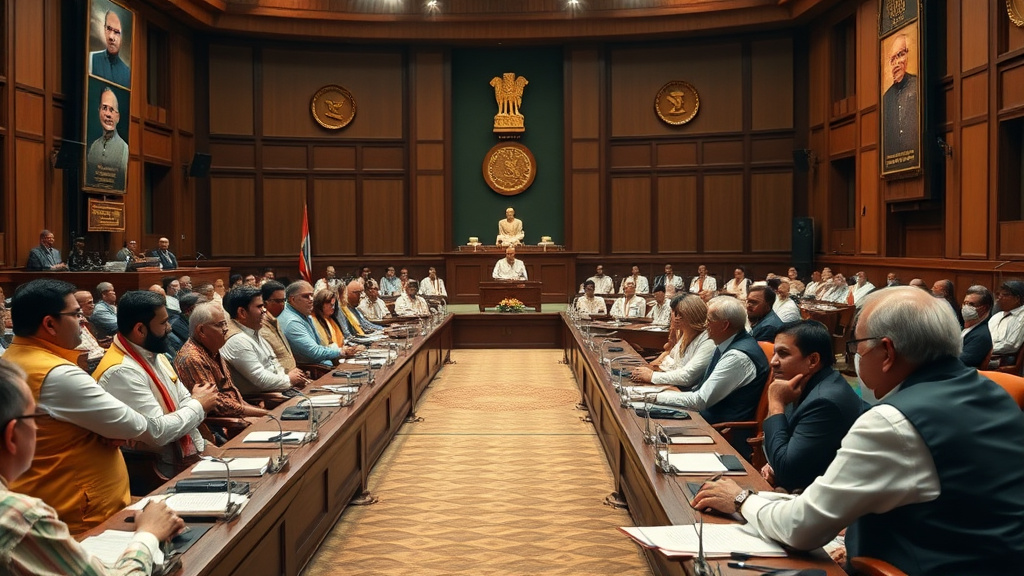
In a rare display of bipartisan support, Congress has successfully enacted a significant infrastructure measure after prolonged discussions and partisan agreement. This historic legislation represents a significant investment in America’s outdated transportation and road infrastructure, marking the most substantial infrastructure spending in decades. The bill’s passage signals a critical juncture in Congress, demonstrating that opposing sides can find common ground on vital matters impacting millions of Americans. This article analyzes the main elements, the political process that allowed approval, and the implications of this success for the nation’s coming years.
Key Provisions and Investment Areas
Transit Infrastructure
The infrastructure bill directs significant resources to upgrade America’s transit infrastructure, tackling decades of deferred maintenance. Approximately $110 billion is dedicated to highway and bridge projects, with extra funding for public transit systems, rail networks, and airport improvements. These expenditures are designed to improve public safety, reduce congestion, and drive economic development throughout the nation. The funding will focus on projects in underserved regions, guaranteeing fair allocation of funding. This comprehensive approach recognizes transportation as fundamental to America’s competitive advantage and quality of life.
Public transportation secures major financial support through this legislation, with billions allocated for bus systems, rail infrastructure, and transit modernization. City areas will gain access to expanded subway and light rail networks, while outlying regions gain enhanced access. The bill supports the adoption of electric buses, decreasing pollution and operational expenses. These improvements will enhance public transit accessibility and performance for millions of U.S. residents. Improved transit choices promote sustainable development and decrease dependence on personal vehicles.
The rail component focuses on increasing Amtrak service and improving freight rail infrastructure. Capital directed toward passenger rail corridors will enhance connectivity between major cities and reduce travel times. Freight rail enhancements enhance commercial efficiency and decrease highway congestion. These programs support both passenger accessibility and economic growth. The broad-based rail strategy establishes America competitively relative to international transportation systems.
Broadband and Digital Infrastructure
Digital access emerges as a key priority, with $65 billion committed to broadband expansion and rural internet access. The bill addresses the digital divide by funding high-speed internet infrastructure in underserved communities across America. This investment establishes broadband as essential infrastructure comparable to electricity and water. Rural areas, particularly, will receive targeted funding to bridge connectivity gaps. Better digital access enables economic opportunity, educational advancement, and improved healthcare delivery nationwide.
The broadband initiative encompasses funding for low-cost broadband access and digital literacy programs. Communities will gain access to technology training and support services in addition to network upgrades. The legislation promotes rivalry between ISPs to hold down expenses. These strategies ensure that expanded infrastructure converts to genuine access for low-income households. Digital inclusion is possible through broad-based policy strategies.
Water and Ecological Infrastructure
Water infrastructure secures $55 billion in dedicated funding to modernize deteriorating water lines and improve water quality nationwide. The bill tackles lead pollution in municipal water supplies, ensuring public health in vulnerable communities. Water treatment plants will undergo modernization to meet contemporary regulatory standards. Funding for water systems reduces illness, enables business expansion, and protects ecosystems. This pledge demonstrates growing recognition of water security as vital infrastructure.
Environmental restoration and adaptation projects benefit from substantial appropriations within the bill’s framework. Funding facilitates flood mitigation, drought preparedness, and climate adjustment initiatives. Communities at risk from climate change receive resources for protective infrastructure and disaster mitigation. These expenditures protect lives, property, and economic assets while advancing environmental sustainability. The bill weaves climate considerations throughout its infrastructure initiatives.
Political Discussions and Cross-Party Support
The pathway to passing the infrastructure bill necessitated remarkable teamwork between Republican and Democratic lawmakers who traditionally oppose each other on allocation decisions. Months of negotiations involved contentious debates over payment structures, resource assignments, and rollout timelines. Both parties made significant concessions to reach consensus, showing a collective resolve to tackling the country’s aging infrastructure despite fundamental partisan splits on other policy issues.
- Republicans achieved lower government expenditures and tax measures.
- Democrats achieved substantial investment in climate infrastructure projects.
- Both parties agreed on broadband deployment in rural areas.
- Negotiations featured compromise on electric vehicle charging stations.
- Bipartisan group preserved cohesion during heated amendment discussions.
The bipartisan group that took shape proved essential to the bill’s success, with centrist lawmakers from both chambers working tirelessly to overcome partisan divisions. Key negotiators from each party openly recognized the challenge of reaching agreement while stressing the critical value of the infrastructure spending for local communities. This joint effort ultimately overcame partisan obstacles that had blocked earlier infrastructure initiatives for years.
Political experts view this achievement as a significant milestone for Congressional operations, suggesting that upcoming bills addressing key issues may benefit from analogous collaborative models. The bill’s passage demonstrates that despite polarization, lawmakers can identify shared interests and engage productively toward solutions benefiting all Americans through improved infrastructure and growth prospects.
Financial Consequences and Upcoming Deployment
Forecasted Economic Growth
Economic analysts project that the infrastructure bill will generate substantial sustained growth for the American economy. The $1.2 trillion investment is expected to generate millions of jobs across construction, engineering, and allied industries over the next decade. Improved infrastructure will boost productivity, reduce transportation costs for companies, and draw private investment to underinvested regions. The Congressional Budget Office projects the bill will contribute approximately 0.1 percent to annual GDP growth, resulting in substantial economic benefits for communities nationwide and strengthening America’s market standing globally.
The bill’s financing structures ensure long-term financial stability without burdening the federal budget. Revenue sources include reallocated COVID-19 assistance funds, higher gas taxes, and user-based fees on electric vehicles. This multi-source funding model spreads expenses across multiple stakeholders while maintaining financial accountability. Economists observe that the upfront investment will generate tax revenues through expanded business activity, reducing initial expenditures. The sustained financial returns frames the bill as economically prudent policy that aligns urgent infrastructure requirements with sustained fiscal health and economic competitiveness.
Deployment Schedule and Project Priorities
Federal agencies have developed a detailed project timeline covering five years, with initial financial provisions for construction-prepared initiatives. Main infrastructure areas include bridge maintenance projects, public transportation improvements, broadband network expansion, and water infrastructure improvements. States and municipalities must provide comprehensive project plans proving alignment with federal requirements and environmental requirements. The Transportation Department will direct coordination efforts among agencies, guaranteeing fair allocation of resources across urban and rural areas. This systematic framework guarantees efficient fund deployment while upholding accountability and transparency across all implementation stages.
Project evaluation standards prioritize infrastructure equity, climate resilience, and economic opportunity in disadvantaged communities. The bill mandates that a substantial portion of funding benefit underserourced regions historically overlooked in federal investment. Communities can anticipate construction timelines ranging from two to seven years depending on complexity and scope of the project. Ongoing progress updates and performance metrics will track job creation, environmental gains, and economic development outcomes. This accountability framework guarantees taxpayers see tangible results while maintaining flexibility for modifications based on evolving circumstances and new priorities.
Long-Term Benefits and Country’s Competitive Position
America’s infrastructure upgrade confronts key competitive gaps in the global economy. Modern transportation networks, consistent high-speed internet, and streamlined infrastructure services are crucial for drawing companies and retaining talent. The bill’s investments place the country to compete effectively with foreign competition while enhancing living standards for residents. Improved networks reduces shipping times, lowers logistics costs, and supports telecommuting possibilities in historically underserved regions. These enhancements generate widespread economic advantages throughout distribution networks and area markets, building frameworks for continued economic success and creative development.
Beyond near-term economic metrics, the infrastructure bill represents strategic investment in America’s coming generations of workers and environmental sustainability. Improved public transportation lowers carbon emissions while broadband infrastructure growth enables educational opportunities in remote communities. Water infrastructure improvements protect public health and support farming output. These related positive outcomes demonstrate how infrastructure investment transcends traditional economic analysis, creating positive externalities across multiple sectors. The bill establishes a template for addressing intricate nationwide issues through cross-party collaboration, potentially inspiring upcoming joint initiatives on healthcare, education, and climate policy.
